Older St. Augustine homes have charm you cannot build today. Here is what to check before you fall in love, and which questions to ask before closing.
Key takeaways
- Older homes are often worth it, but expect the electrical, plumbing and roof to get extra attention from insurers.
- Raised wood floors and crawlspaces need a close look for moisture, wood rot and wood destroying organisms.
- Homes in the city's historic districts can have extra review steps for exterior changes, so check before you plan renovations.
- Ask about flood history and flood zone early, since some low lying neighborhoods have flooded in past storms.
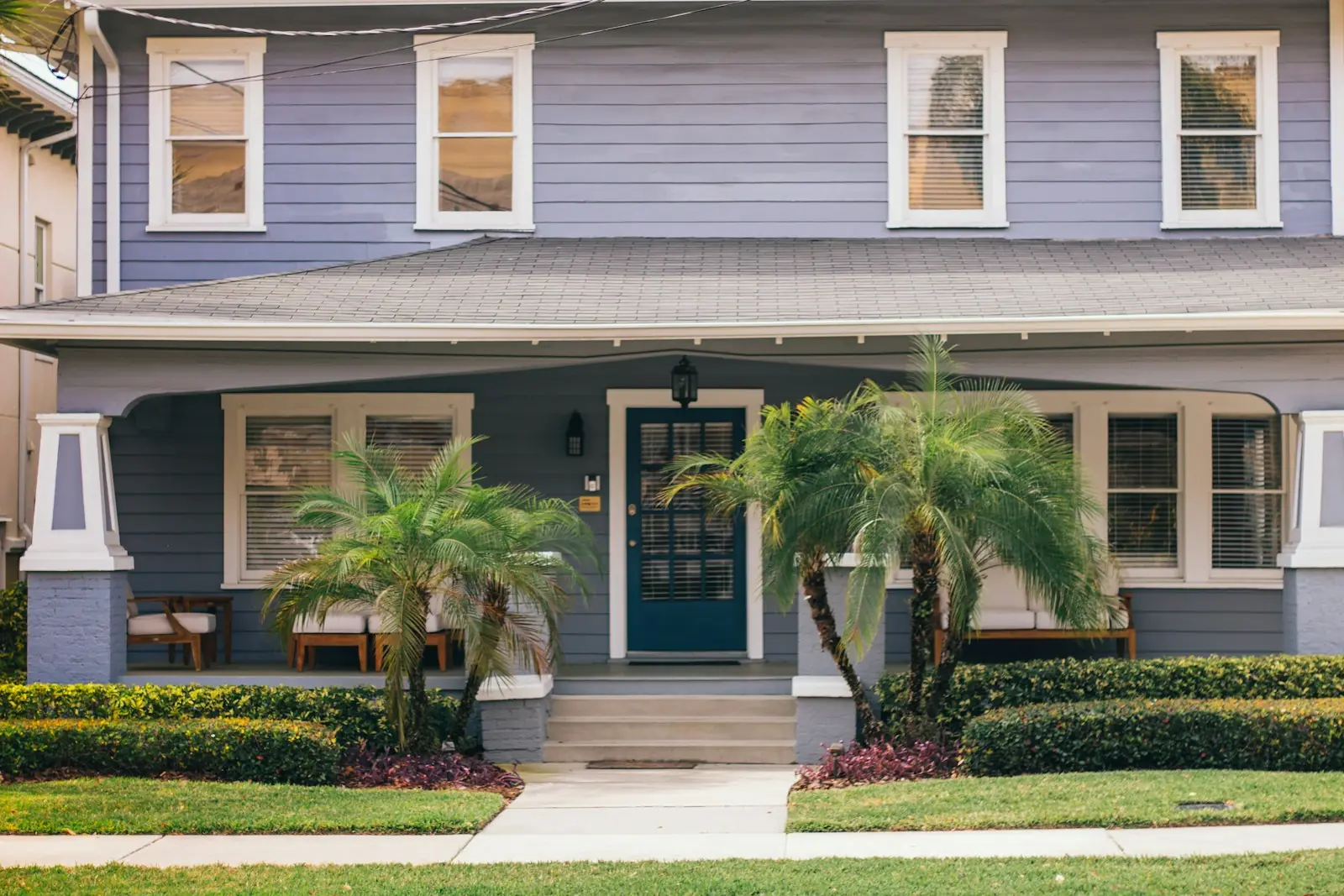
If you are buying an older home in St. Augustine, the things to focus on are the electrical system, the plumbing, the roof, the wood framing and crawlspace, and the home's flood history. Those are the areas that most often affect safety, repair budgets and whether you can get insurance at a reasonable price. Older homes in the Nation's Oldest City have character you simply cannot find in new construction, from deep front porches to heart pine floors. A careful pre-purchase home inspection helps you enjoy that charm without surprises after closing.
Electrical: the first thing insurers ask about
Older homes have often been rewired in stages over the decades, so we regularly find a mix of old and new work in the same house.
- Knob and tube or cloth wiring: common in homes built before the 1950s, and many insurers will not write a policy while it is still in use.
- Older panels and fuse boxes: some panel brands are a known problem with Florida carriers. Our guide to electrical panels Florida insurers flag covers the usual suspects.
- Ungrounded outlets and missing GFCI protection in kitchens, bathrooms and outdoor areas.
- Amateur add ons: extension cord style wiring, open splices and overloaded circuits in attics and porches.
When we find something that needs repair or a closer evaluation, we recommend a licensed electrician so you can get a real quote before your inspection period ends.
Plumbing and water heaters
Many older homes still have galvanized steel supply lines or cast iron drain pipes, sometimes alongside newer PVC or PEX repairs. Galvanized pipe can corrode from the inside and reduce water pressure, and cast iron drains can crack or scale over time. Our article on plumbing materials Florida buyers should know explains what each one means for you. If the main drain line is original, a camera inspection by a licensed plumber is a smart, inexpensive way to find out what is happening underground.
Wood framing, crawlspaces and termites
A lot of St. Augustine's older homes sit on raised foundations with a crawlspace under wood floors. That design helps with airflow, but in our humid climate it also invites trouble.
- Soft or stained floor joists, sill plates and subfloor from long term moisture
- Standing water, poor drainage or missing vapor barriers under the house
- Sagging floors or doors that stick, which can point to settling or damaged supports
- Mud tubes, damaged wood or frass that suggests termites or other wood destroying organisms
A WDO inspection is done by a licensed pest control company in Florida, and many lenders require one. Read our guide to termites and WDO inspections for how that process works. If we see signs of hidden moisture or possible mold, we will tell you, and a licensed mold assessor can test and confirm it.
Roofs, windows and insurance
Older homes often have newer roofs, but not always. Insurers in Florida usually want to know the roof's age and remaining life, the condition of the electrical, plumbing and HVAC systems, and the home's wind resistance features. That is why buyers of older homes very often need a 4-point inspection and benefit from a wind mitigation inspection. Original wood windows are beautiful, but they usually offer no opening protection credit unless shutters or impact rated products have been added. Get insurance quotes during your inspection period, not the week before closing.
Historic districts and renovation plans
Parts of St. Augustine fall within local historic districts, where exterior changes such as new windows, siding, porches or additions can require approval through the city before work starts. If you are buying with big plans, check with the City of St. Augustine planning department about the property's status and what review applies. It is also worth knowing that homes built before 1978 may contain lead based paint, and federal rules require sellers to disclose any known lead paint. Plan for lead safe work practices if you will be sanding or scraping.
Flood history and drainage
Some low lying neighborhoods in and around St. Augustine have flooded during past hurricanes and strong nor'easters. Ask the seller directly about past flooding, look up the flood zone, and get a flood insurance quote early. During the inspection we look for water lines on walls, replaced drywall at the bottom of walls, rusted fasteners, and grading or gutters that send water toward the house. Our article on moisture and water intrusion covers what an inspector can and cannot tell you.
Making the most of your inspection
Older homes reward buyers who go in with clear eyes. Attend the inspection if you can, ask plenty of questions, and use the report to prioritize safety items and big ticket repairs over cosmetic ones. Our guide on using your inspection report walks through negotiating repairs. We are based in Palm Coast and inspect homes throughout St. Johns County, so call us at (386) 562-2240 when you find the one.
Frequently asked questions
Can I get homeowners insurance on an older home in St. Augustine?
Usually yes, but many Florida insurers require a 4-point inspection on older homes and may decline or require repairs for items like knob and tube wiring, certain electrical panels, old roofs or aging plumbing. Getting quotes during your inspection period gives you time to plan.
Does a home inspection include a termite inspection?
A general home inspection notes visible signs of wood damage and possible pest activity, but the Florida WDO inspection is a separate report done by a licensed pest control company. Many buyers schedule both.
Do I need permission to renovate a home in a St. Augustine historic district?
Exterior changes in the city's historic districts can require review and approval before work begins. Check with the City of St. Augustine planning department about the specific property before you buy if renovations are part of your plan.